
Indoor rat repellents can reduce activity short term, but effectiveness and safety vary by type. Ultrasonic devices may deter briefly but often lose effect. Scent or chemical repellents can mask food or irritate rodents, yet may leave residues or vapors harmful to children, pets, or sensitive adults spray for bed bugs. Physical exclusion and sanitation provide the most reliable long-term protection. Careful product choice, placement, ventilation, and monitoring limit risks — further practical guidance and when to call a professional follow.
How Different Types of Indoor Rat Repellents Work
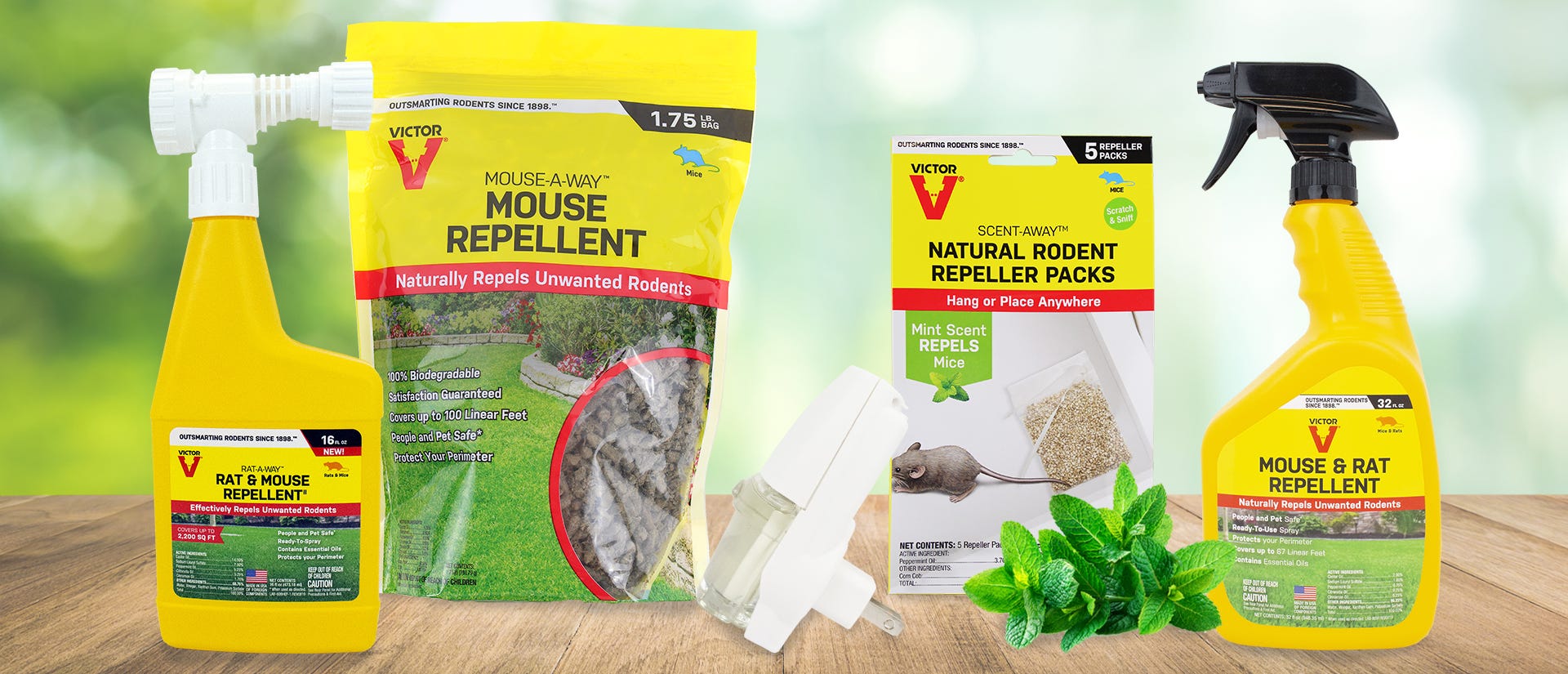
Frequently, the effectiveness of indoor rat repellents depends on their mechanism of action: ultrasonic devices emit high-frequency sound intended to create an aversive environment; chemical repellents mask food odors or introduce bitter or irritating compounds that reduce gnawing and feeding; natural scent-based products use predator or plant-derived odors to trigger avoidance behavior; physical barriers and exclusion techniques prevent access rather than drive rodents away; and integrated approaches combine deterrents with sanitation and sealing to address both behavior and habitat, a strategy supported by field studies showing higher success when direct deterrence is paired with removal of attractants igreenasia. Evidence indicates scent masking reduces olfactory cues that attract rodents, while behavior conditioning—through timed stimuli or taste aversion—can alter foraging patterns. Practical adoption favors modular systems combining exclusion, targeted chemicals, and monitored ultrasonic or olfactory cues for iterative optimization.
Effectiveness: What Actually Keeps Rats Away
Building on mechanisms of action and integrated strategies, effectiveness is determined by measurable reductions in rat activity and re-infestation rates rather than single interventions. Empirical studies show that scent deterrents yield short-term avoidance in some contexts but often lose efficacy as rodents habituate. Long-term suppression correlates with systematic habitat modification: sealing entry points, removing food/water sources, and altering structural niches reduces carrying capacity and nesting opportunities. Innovative implementations combine targeted repellents with environmental engineering, monitoring (camera/tracking), and rapid remediation of breaches. Performance metrics should include tracking indices, capture rates, and time-to-reinfestation. Cost-benefit analyses favor durable physical changes plus adaptive deterrent rotation over sole reliance on chemical or ultrasonic devices. Repellent tools function best as adjuncts within a documented integrated pest management program.
Health Risks for Children, Pets, and Sensitive Adults
Children, pets, and medically sensitive adults are disproportionately at risk from indoor rat-repellent products and from rats themselves, because lower body mass, developing physiology, and preexisting conditions increase exposure and severity of adverse effects. Evidence-based guidance emphasizes minimizing direct contact and monitoring environments where child sensitivity and pet exposure are concerns. Practical mitigation includes exclusion, improved sanitation, and selective nonchemical alternatives.
- Supervision: limit access to treated zones; secure bait or devices out of reach.
- Ventilation: reduce airborne residues from ultrasonic or spray products.
- Monitoring: track symptoms in children and pets after deployment.
- Alternatives: use physical barriers, traps, or habitat modification first.
- Consultation: seek pediatrician or veterinarian advice for vulnerable individuals.
Innovative strategies favor low-toxicity, targeted measures to lower overall household risk.
Safety Concerns With Chemical and Pesticidal Repellents
Often, chemical and pesticidal rat repellents carry risks that extend beyond target pests, including acute toxicity, chronic health effects, and contamination of indoor surfaces and air. Empirical studies document that some active ingredients degrade slowly, leaving toxic residues on floors, food prep areas, and in dust. Residue persistence increases exposure duration for occupants and pets. Application in enclosed spaces amplifies ventilation concerns; inadequate air exchange allows volatile compounds to accumulate, raising inhalation risk and reducing efficacy. Best practice recommends targeted, minimal-use treatments, clear labeling adherence, containment of treated areas, and post-treatment cleaning to remove residues. Adoption of integrated pest management reduces reliance on chemicals, lowering indoor contamination and aligning with innovation-focused safety goals.
Pros and Cons of Ultrasonic and Electronic Devices
Frequently, ultrasonic and electronic rodent devices are marketed as a nonchemical option, but controlled studies and field evaluations show mixed efficacy: some short-term behavioral avoidance occurs in certain species under specific conditions, yet effects often diminish as rodents habituate, and device performance varies with room layout, frequency range, and obstructions. Evidence-based advantages and limitations are summarized practically:
Frequently marketed as nonchemical, ultrasonic rodent devices show mixed short-term effects that often wane with habituation.
- Potential benefit: nonchemical, low-toxicity approach suited to innovation-minded users seeking alternatives.
- Limitation: habituation reduces long-term effectiveness; short-term displacement may occur.
- Technical caveat: high frequency interference can limit coverage and create blind spots.
- Integration issue: device compatibility with smart-home systems varies; standards are inconsistent.
- Practical note: performance depends on placement, acoustics, and species; empirical testing is recommended before broad deployment.
Safe Use and Placement Tips for Indoor Repellents
Given mixed efficacy and species-specific limitations of ultrasonic and electronic options, safe use and placement become important determinants of any indoor repellent’s performance and risk profile. Devices and chemical products should be positioned away from food preparation zones, children’s play areas and pet resting spots to minimize unintended exposure. Mount ultrasonic units elevated and unobstructed for optimal sound dispersion; avoid enclosing them in cabinets. When using volatile repellents, guarantee proper ventilation during and after application to reduce indoor air concentrations and inhalation risk. Integrate strategic timing: run electronic devices during active rodent periods and apply chemical repellents when occupancy is low. Regularly inspect placements for wear, maintain manufacturer-recommended distances from heat sources, and document usage to evaluate effectiveness objectively.

When to Call a Pest Control Professional
When should a homeowner escalate from DIY repellents to professional intervention? Evidence-based criteria guide call timing: persistent sightings, rapid population growth, or signs exceeding damage thresholds warrant escalation. A professional offers diagnostics, targeted solutions, and compliance with safety standards.
- Visible droppings or greased runways after treatments suggest reinfestation.
- Structural damage beyond minor gnaw marks indicates exceeded damage thresholds.
- Repeated bait or repellent failure across different technologies.
- Health incidents (allergies, bites) linked to rodent activity.
- Smart-monitor feedback showing increasing activity despite DIY controls.
Decision-making favors measurable indicators, cost–benefit analysis, and innovative treatments (integrated pest management, IoT monitoring). Professionals reduce liability and optimize long-term outcomes when thresholds are met.
Conclusion
Evidence indicates indoor rat repellents vary in mechanism and effectiveness; some provide temporary deterrence while others pose health or environmental risks. Chemical and pesticidal options can be hazardous to children, pets, and sensitive adults if misused. Ultrasonic and electronic devices show inconsistent results. Safe placement, following label instructions, and combining exclusion and sanitation improve outcomes. For persistent infestations or when occupants are vulnerable, consulting a licensed pest control professional is the prudent, evidence-based choice.