
You might think bed bugs and dust mites are similar, but bed bugs pose hidden dangers beyond dust mites’ allergenic effects. Bed bugs bite and feed on your blood, spray for bed bugs causing itchy skin reactions and possible infections, while dust mites mainly trigger allergies through inhaled proteins. Bed bugs also cause sleep disruption and psychological stress, unlike dust mites, which impact respiratory health. Understanding their distinct risks and control methods is key to protecting your health and well-being.
Understanding Bed Bugs and Dust Mites: Key Differences
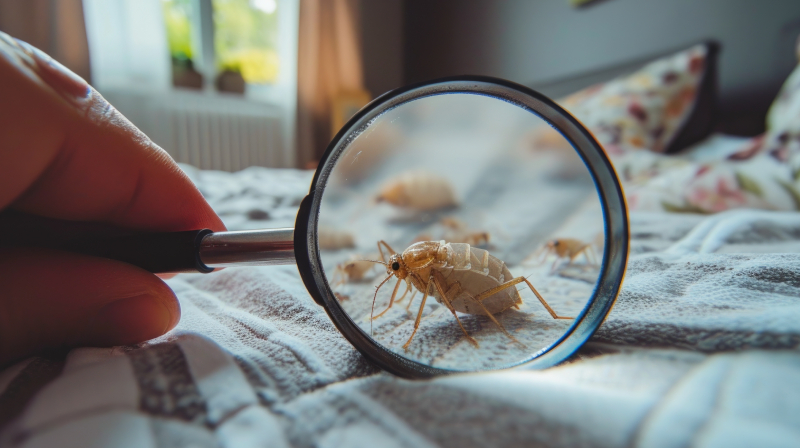
Although bed bugs and dust mites often get confused due to their similar size and habitat, they are distinctly different organisms with unique biological characteristics and behaviors. When you examine bed buglifespan comparison, you’ll notice that bed bugs typically live about 4 to 6 months, feeding on blood, whereas dust mites survive around 2 months, subsisting on skin flakes. Despite habitat overlap—both favoring warm, humid indoor environments like bedding and furniture—their ecological roles diverge considerably. Bed bugs actively seek hosts for blood meals, while dust mites passively consume organic debris igreenasia. Understanding these distinctions is vital if you want to effectively manage or prevent infestations. Recognizing their separate lifecycles and behaviors allows you to approach control methods with precision, preserving your living freedom without unnecessary interventions.
Health Risks Associated With Bed Bug Infestations
When bed bugs infest your living space, they pose several health risks primarily related to their biting behavior. Their bites can cause localized skin reactions, often resulting in itching and inflammation. Repeated exposure may lead to immune modulation, altering your body’s response to the bites over time. Persistent scratching can introduce secondary infections, increasing health complications. Additionally, the skin lesions caused by bed bug bites can result in long term scarring, impacting your skin’s appearance and potentially your psychological well-being. While bed bugs are not known vectors for disease transmission, these physical and immune responses highlight the importance of prompt detection and eradication. Understanding these risks is essential if you want to maintain both your physical health and the freedom of a comfortable, pest-free environment.
Allergic Reactions Caused by Dust Mites
While bed bugs primarily cause irritation through bites, dust mites present a different health challenge by triggering allergic reactions. When you’re exposed to dust mite allergen proteins, your immune system may mistakenly identify these harmless particles as threats. This immune response leads to the release of histamines and other chemicals, causing symptoms like sneezing, runny nose, and itchy eyes. Unlike bed bug bites, these reactions are not due to direct contact but result from inhaled allergens. If you suffer from asthma or allergic rhinitis, dust mite exposure can exacerbate your condition, affecting your respiratory health. Understanding this immune mechanism is vital for managing symptoms and maintaining your freedom from persistent allergic discomfort caused by dust mites in your living environment.
Psychological Impact of Bed Bug Bites
Because bed bug bites often cause visible skin irritation and discomfort, they can markedly affect your psychological well-being. You may experience sleep anxiety, as the fear of further bites disrupts your ability to rest soundly. This heightened stress can impair cognitive function and overall mental health. Additionally, the bite stigma—visible marks that may be misinterpreted socially—can lead to embarrassment or social withdrawal. Unlike dust mites, which remain invisible and largely harmless, bed bugs introduce a persistent psychological burden. Understanding these impacts essential for maintaining your autonomy and mental freedom. Recognizing the connection between physical symptoms and psychological distress allows you to address both aspects effectively, preserving your quality of life despite the infestation.
Prevention and Control Strategies for Bed Bugs
Managing the psychological effects of bed bug bites involves more than addressing symptoms; it requires effective prevention and control measures to stop ongoing exposure. To protect your living space, adopting an integrated pest management approach is essential. This strategy combines thorough inspection, sanitation, physical barriers, and targeted chemical use to minimize infestations while reducing health risks. Among control methods, heat treatment stands out due to its efficacy in eradicating all life stages of bed bugs without chemicals. You can also limit their spread by regularly vacuuming, encasing mattresses, and reducing clutter. Early detection and prompt action are key to preserving your freedom from these pests. By implementing these scientifically supported measures, you’ll effectively disrupt bed bug populations and regain control over your environment.
Managing Dust Mite Allergies Effectively
You might notice symptoms like sneezing, itchy eyes, or nasal congestion if you’re allergic to dust mites. Reducing your exposure involves measures such as using allergen-proof bedding and maintaining low indoor humidity. Additionally, effective treatments include antihistamines and immunotherapy, which can help manage your allergic responses.

Identifying Allergy Symptoms
Although dust mite allergies can manifest in various ways, recognizing their specific symptoms is essential for effective management. You might notice symptom timing linked to early morning or nighttime exposure, as dust mites are most active in bedding. Common respiratory symptoms include sneezing, nasal congestion, and itchy eyes. Additionally, skin patterns such as localized eczema or hives may appear, typically in areas frequently in contact with dust, like the arms or face. Understanding these patterns helps differentiate dust mite allergies from other irritants. Accurate identification allows you to tailor interventions precisely, minimizing discomfort and avoiding unnecessary treatments. By paying close attention to when symptoms occur and their dermatological presentations, you gain valuable insight into your allergy’s impact, empowering you to make informed decisions about your health and well-being.
Reducing Dust Mite Exposure
Reducing dust mite exposure requires targeted interventions that address their preferred habitats and breeding conditions. You can markedly lower dust mite populations by utilizing mattress encasements designed to create a barrier, preventing mites from colonizing bedding. These encasements are effective because they limit contact with skin flakes, the mites’ primary food source. Additionally, maintaining strict humidity control is vital since dust mites thrive in environments where relative humidity exceeds 50%. Using dehumidifiers or air conditioners helps keep indoor humidity levels below this threshold, disrupting mite reproduction and survival. Regular cleaning of fabric surfaces and vacuuming with HEPA filters complements these measures by removing allergens and mite debris. By combining physical barriers and environmental management, you’ll effectively reduce dust mite exposure and mitigate allergic reactions without compromising your living freedom.
Effective Allergy Treatments
Effectively managing dust mite allergies often involves a combination of pharmacological treatments and environmental control strategies. You might find nasal corticosteroids particularly effective in reducing inflammation and alleviating symptoms such as nasal congestion and sneezing. These medications target the underlying allergic response, providing relief without sedative effects common in some antihistamines. Additionally, exploring immunotherapy options could offer long-term benefits by gradually desensitizing your immune system to dust mite allergens. Both sublingual and injectable immunotherapies are scientifically validated methods that can decrease symptom severity and medication dependence over time. Combining these treatments with environmental measures—like using allergen-proof bedding and maintaining low humidity—can maximize your control over allergy symptoms. With informed choices, you can achieve greater freedom from dust mite-related discomfort and improve your overall quality of life.
Conclusion
While dust mites primarily trigger allergic reactions, bed bugs present more complex health risks, including skin infections and psychological distress from their bites. Understanding these differences is essential for effective management. You should prioritize bed bug prevention and control due to their direct impact on health and well-being, while also managing dust mite allergies through environmental measures. Recognizing the distinct challenges each pest poses will help you implement targeted strategies for a healthier living environment.